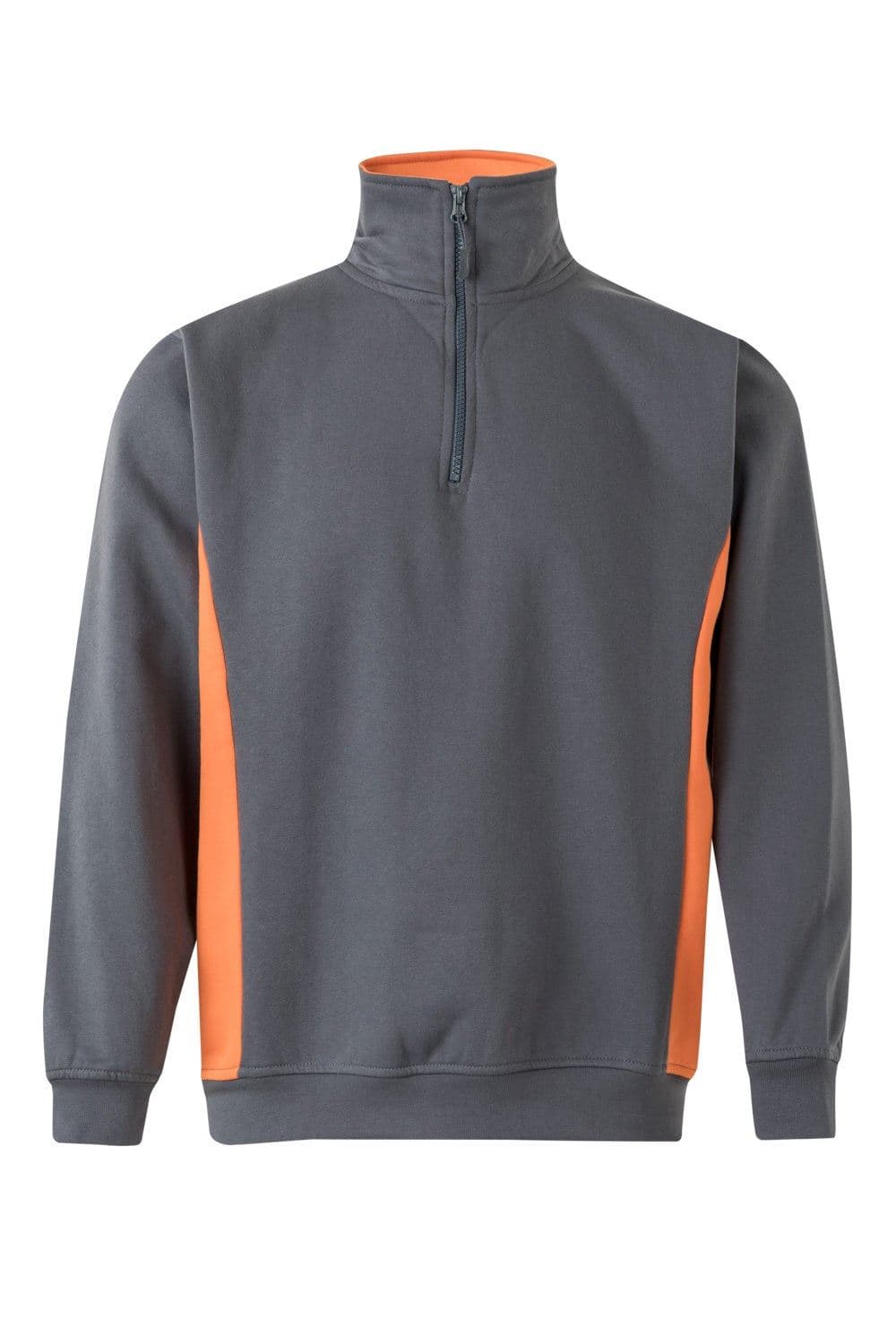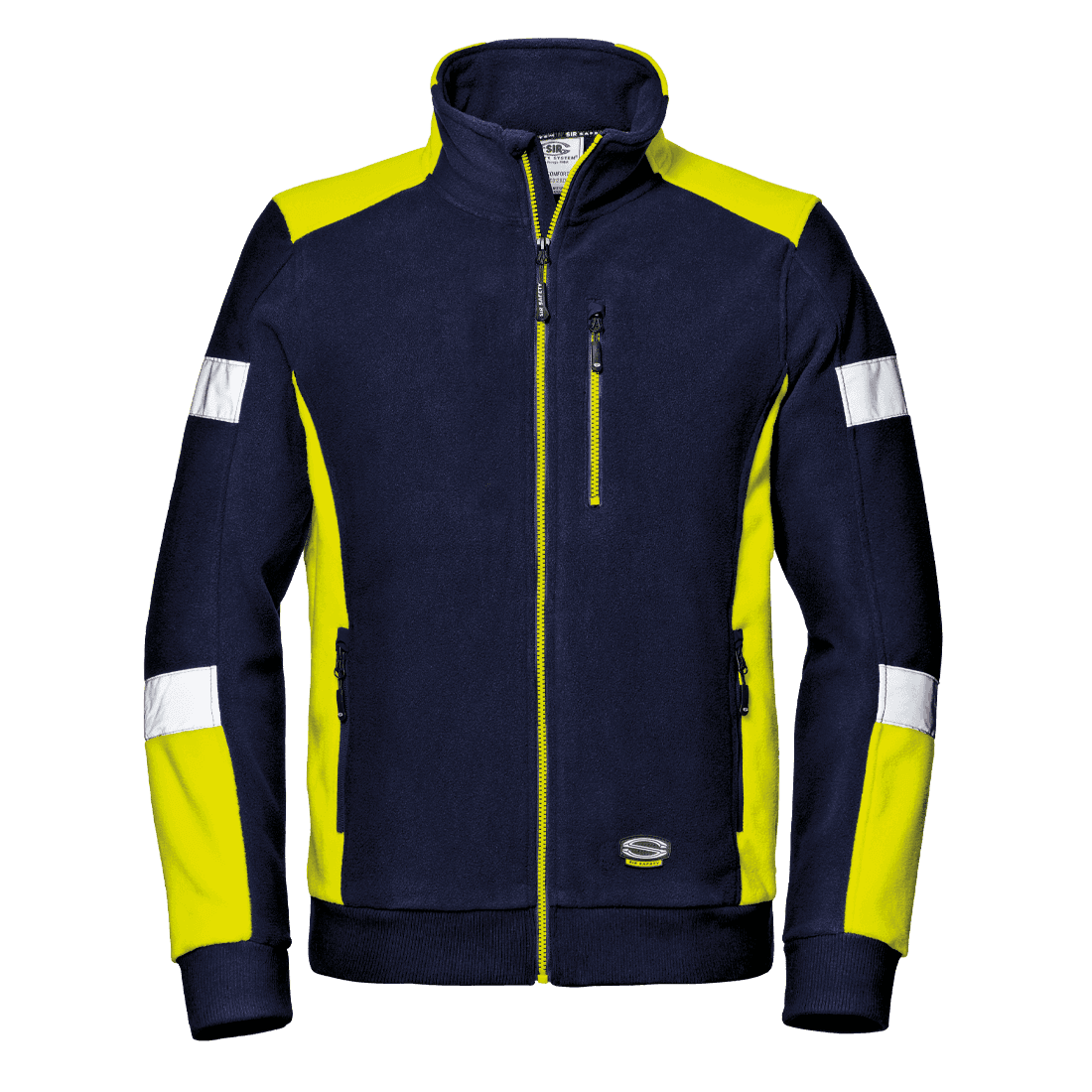
Custom women’s performance T-shirts help create a team look with a different cut from unisex garments. To choose them, check measurements, composition and decoration areas before finalising garment numbers. Asking for “the same size as usual” is not enough: length and width can vary between models.
What choosing a performance T-shirt means
The term “performance” or “technical” does not describe one specific property. Check how the manufacturer defines the fabric and the intended use of your T-shirts. Breathability, cut and panels are part of that choice, but the description does not turn a T-shirt into protective equipment or itself establish sun, flame or chemical protection.
If you need clothing for customer-facing staff, an active team or a corporate event, start by describing that situation. It helps to say whether the T-shirt will be worn alone, under another garment or with a vest. This combination affects where the logo will be visible and the fit you need.
Potenza Woman: an example from our selection
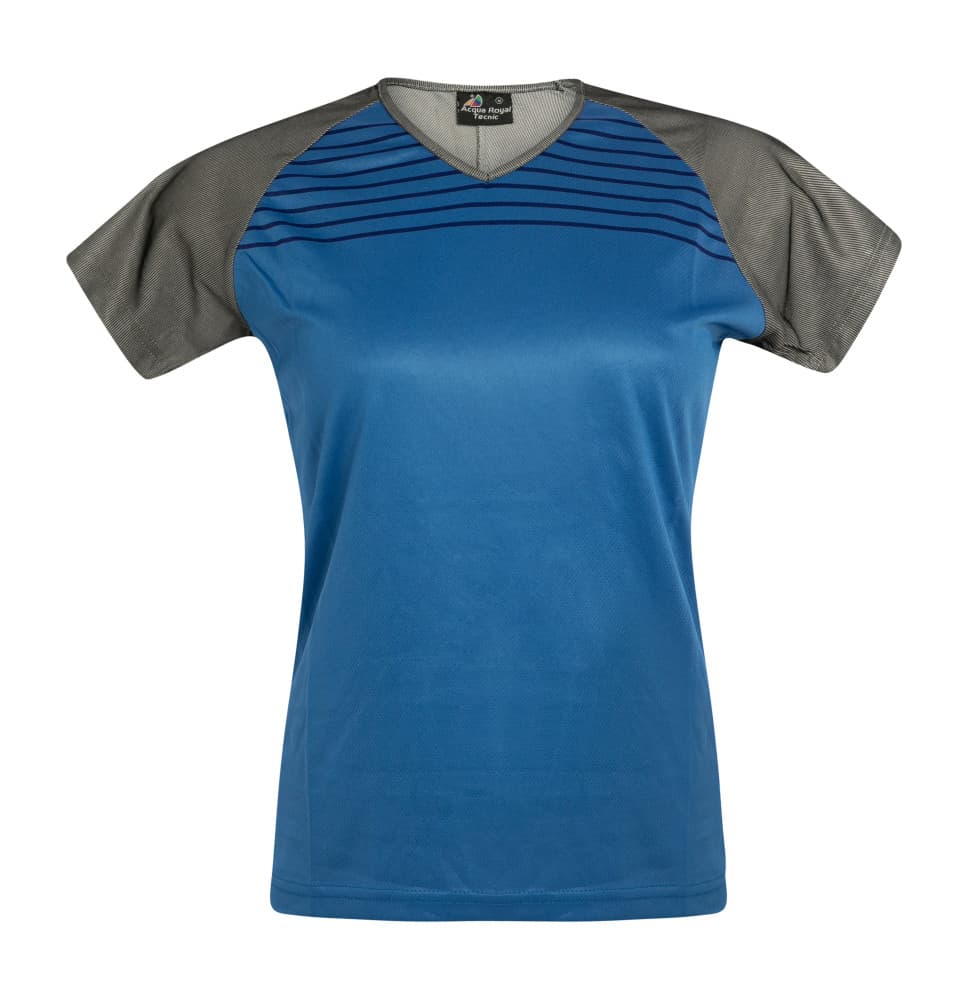
The Acqua Royal Potenza Woman is a fitted polyester T-shirt combining fabrics with a honeycomb-structure back. The SIC photograph shows the royal blue/grey colourway. The manufacturer’s product sheet describes it as breathable and provides length and width measurements for comparing sizes.
Use these details as a starting point and confirm availability when requesting a quote. A size being listed in a catalogue does not guarantee stock for your event date. Also confirm which measurements refer to the garment and how they were taken before comparing them with a person’s measurements.
Collecting sizes without converting everything to unisex
- Choose a similarly cut T-shirt that each person finds comfortable.
- Measure it flat using the method in the size chart for the model you want to buy.
- Compare width and length, rather than just the size letter.
- Record any doubts before finalising the breakdown; ask about an alternative cut if necessary.
- Check that the total across all sizes matches the quantity requested.
If your team needs different cuts, keep each reference separate. You can create a coordinated look without requiring everyone to wear the same pattern. In the form, create separate lines for model, size and colour so the commercial proposal is clear.
Where to place a logo on a two-tone T-shirt
Fabric changes and seams affect the available area. Draw the logo on a photograph and indicate its approximate size. Check contrast against the royal blue body and grey sleeves; a logo that looks clear on white paper may not remain equally legible on both areas.
Send the original file and explain whether all T-shirts share the same design. Individual names, numbers or different departments should be included in the request so their preparation can be assessed. The decoration technique will be confirmed for the garment and design. Do not assume that every printing method uses the same temperature or produces the same finish.
An example of a clearly itemised request
For a team wanting twenty T-shirts, you could write: “Potenza Woman royal blue/grey: 4 S, 8 M, 6 L and 2 XL; same chest logo; please quote for additional decoration on the back”. This totals twenty units and lets you compare the cost of a second position separately. It is an order example, rather than a size recommendation for a particular group.
Include the required date and delivery town. Prices for these garments are prepared according to quantity, model and customisation; availability and lead time are confirmed before the order is placed.
Request T-shirts for your team
You can send your selection to SIC Refinish with sizes, quantities and your logo. If you are still comparing uniform types, see work T-shirts or polo shirts. For club and event clothing, visit our personalised sportswear page.